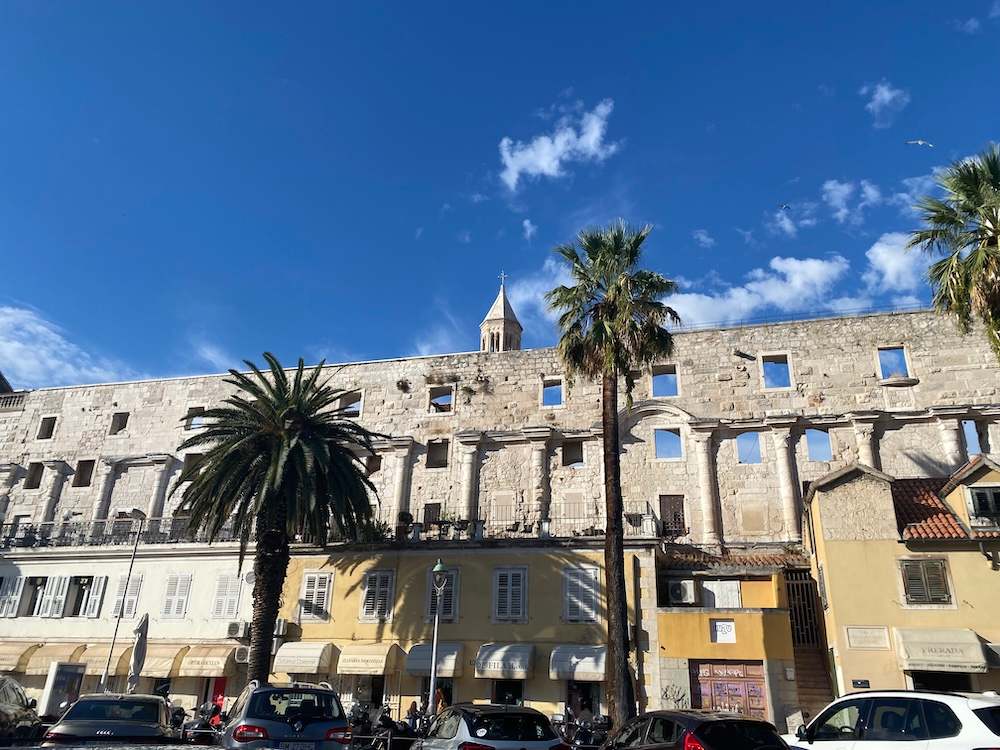
Old town, complete with old palace. Check. Labyrinthine walkways and “roads”. Check. Churches and columns and arches…and a sphinx (sure thing). A bazzillion tourists – yep. But it is oh so pretty.
I landed in Split from Gatwick, and then took the airport shuttle to the town centre/port. It’s all very easy and well geared to tourism, especially as everyone is just starting to get going at 8pm. I got to the old town at about 9.30pm and then had to navigate my way to my accomodation for the night. To be fair, google maps really did try hard, but it is not easy.
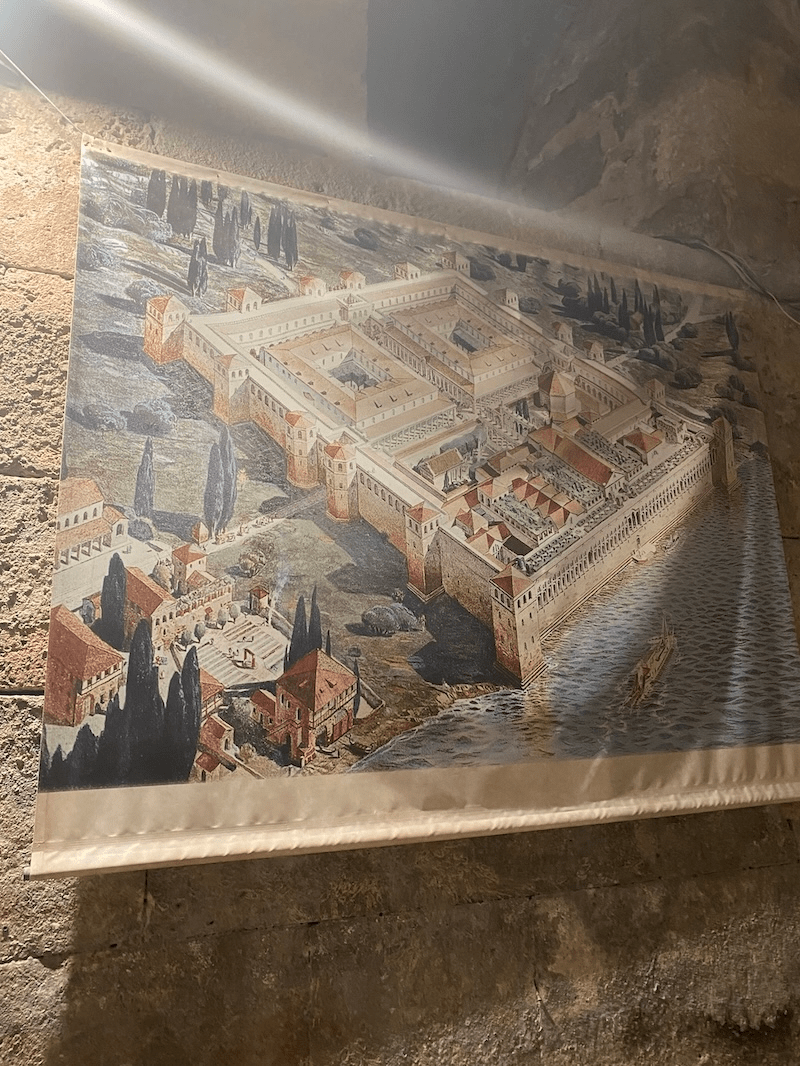
My accomodation for the night was inside the Diocletian’s Palace – which makes up about half of the old town. It is an Roman palace and fortress complex built at the end of the third century AD by a roman emperor (yep, name = Diocletian) who decided that this would be a nice place for him to retire. True story. Previously the emperors were murdered by their successor, so Diocletian may have been onto something more sustainable for his health and wellbeing.


It is a UNESCO world heritage site – so lots of rules to keep it protected, though it is both historic monument and urban centre. The palace complex is no cars (‘roads’ are about 1.5m wide alleyways), and it’s accomodation, restaurants and shops mostly…so walking it is. On cobblestones with luggage. Through crowds, down alleyways and round and around, until google gets you close enough that you can ask someone or work it out. I dragged my suitcase through open squares where people were eating and music was playing – but it is the only way to get there. It is quite brilliant, you go around a corner in the maze, and suddenly there is a gelato store, or a restaurant – full of people.
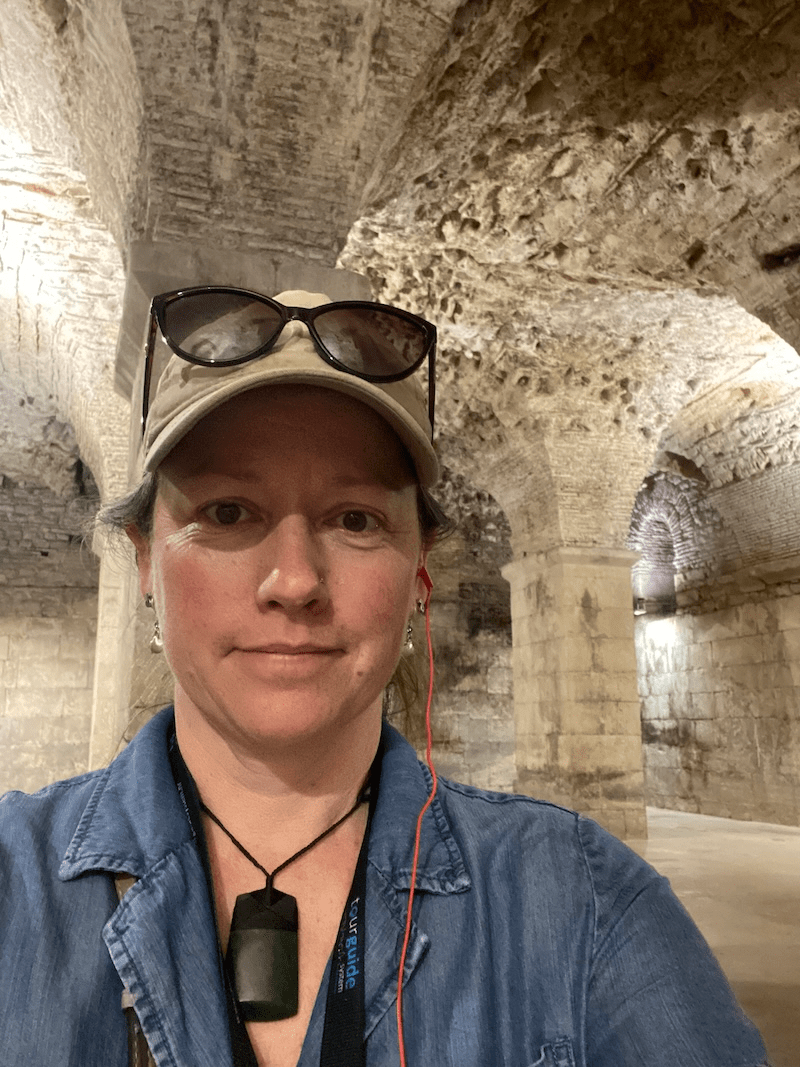
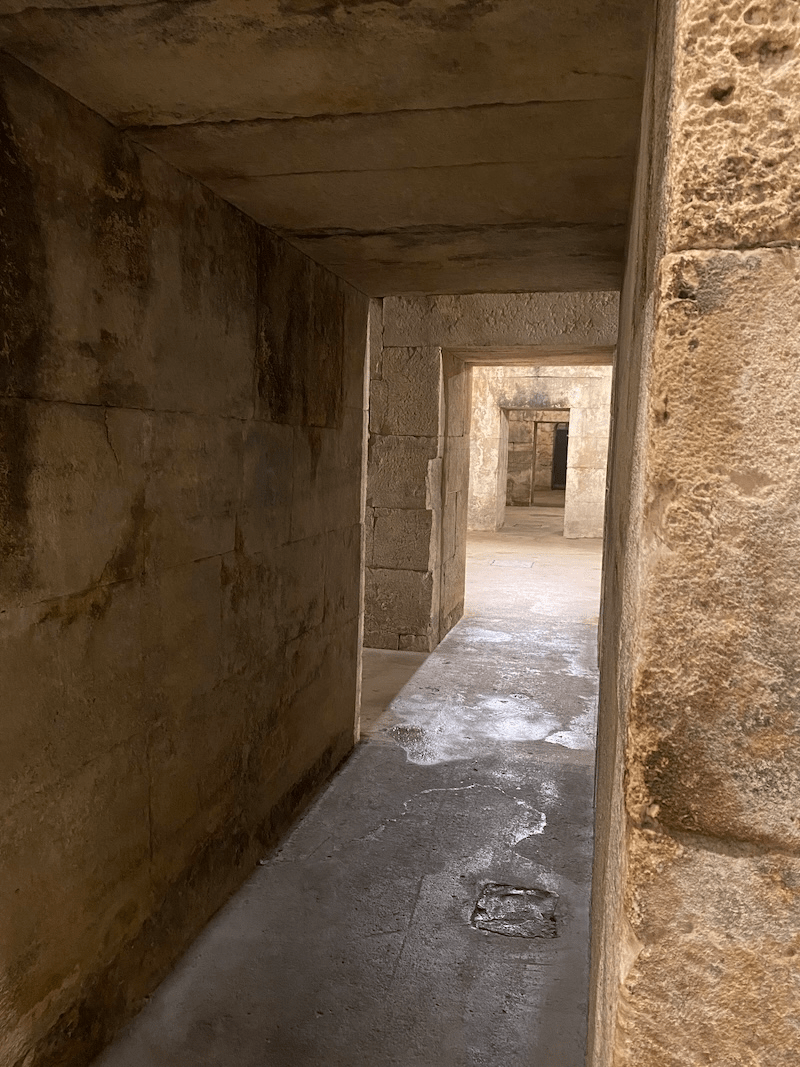
The photos on this post are from my initial exploring, and then a walking tour with the cruise gang.
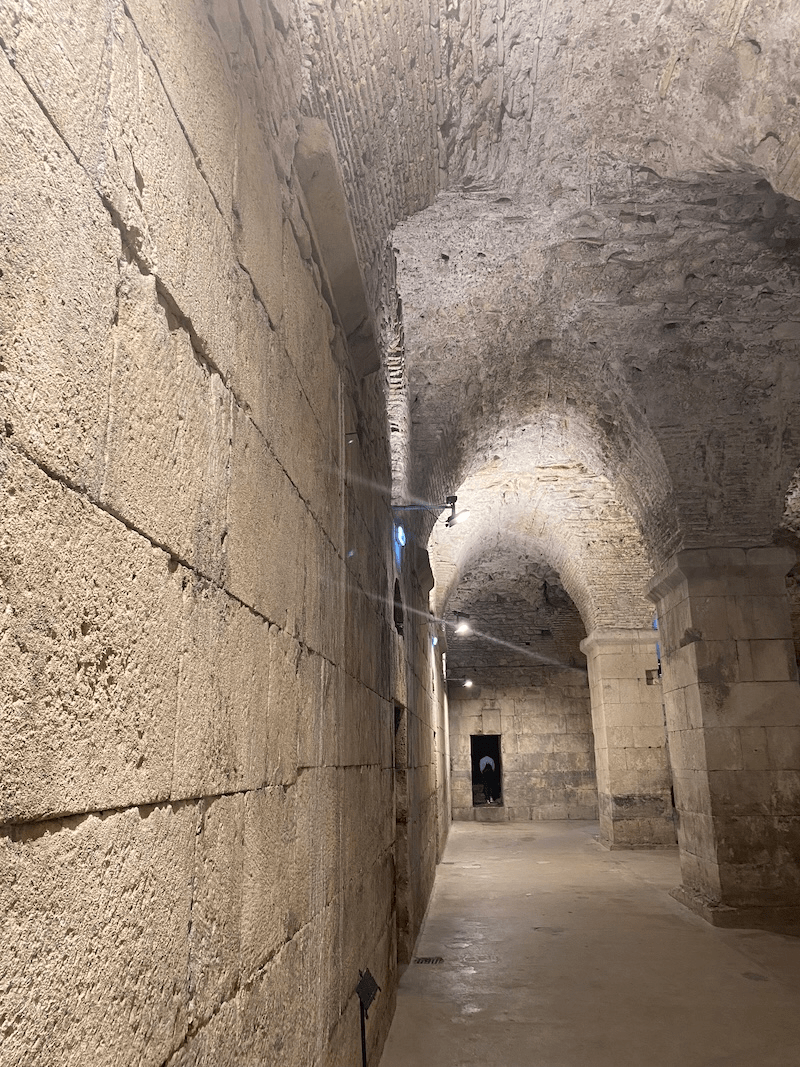
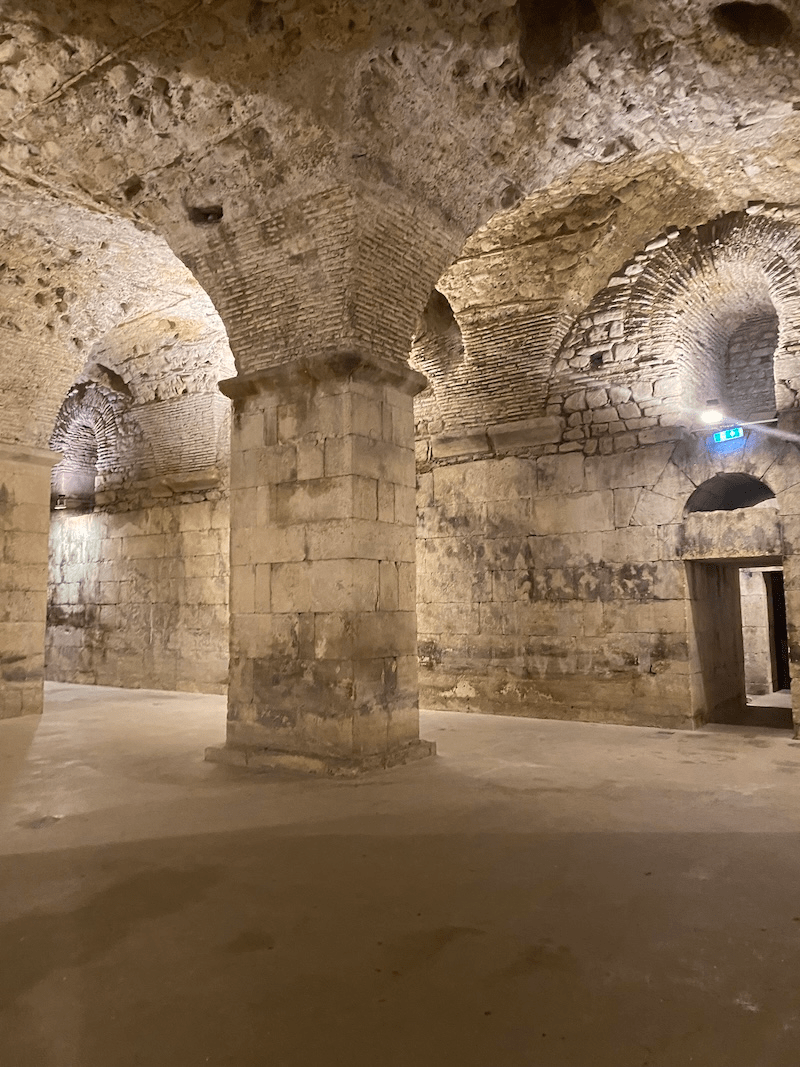
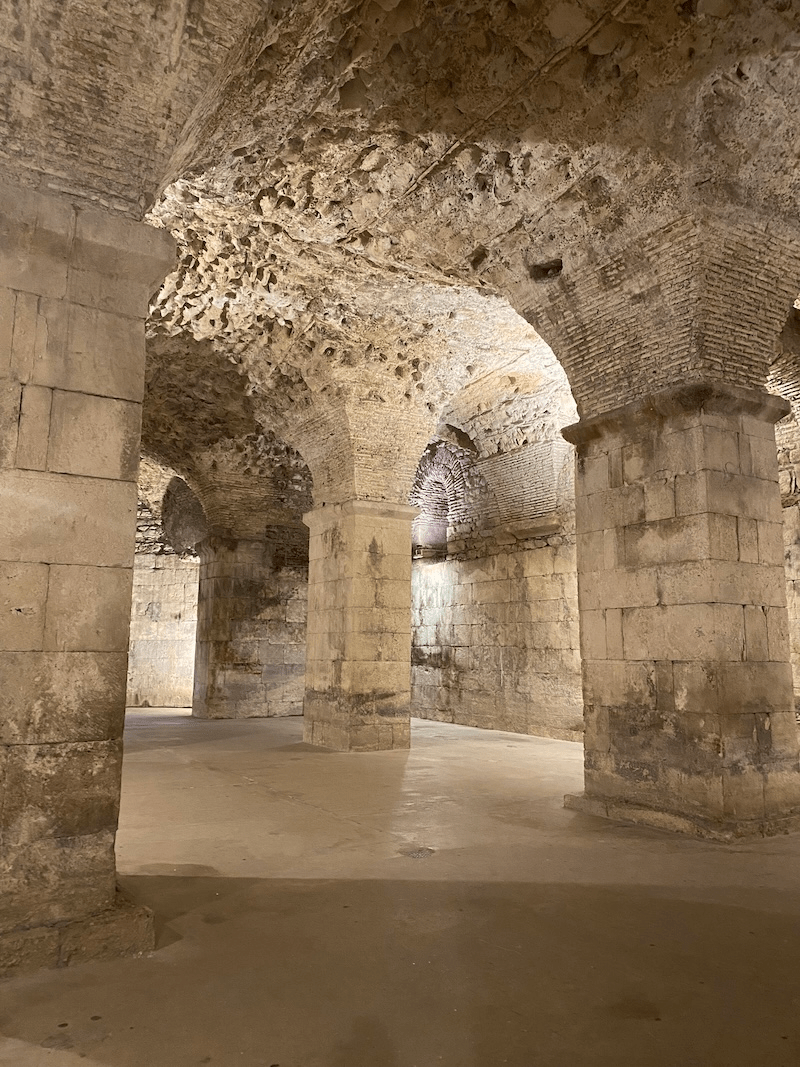
The southern gate was a sea gate – boats came straight up to the gate. On that side is now an entrance to the cellars and substructures, which we toured through.