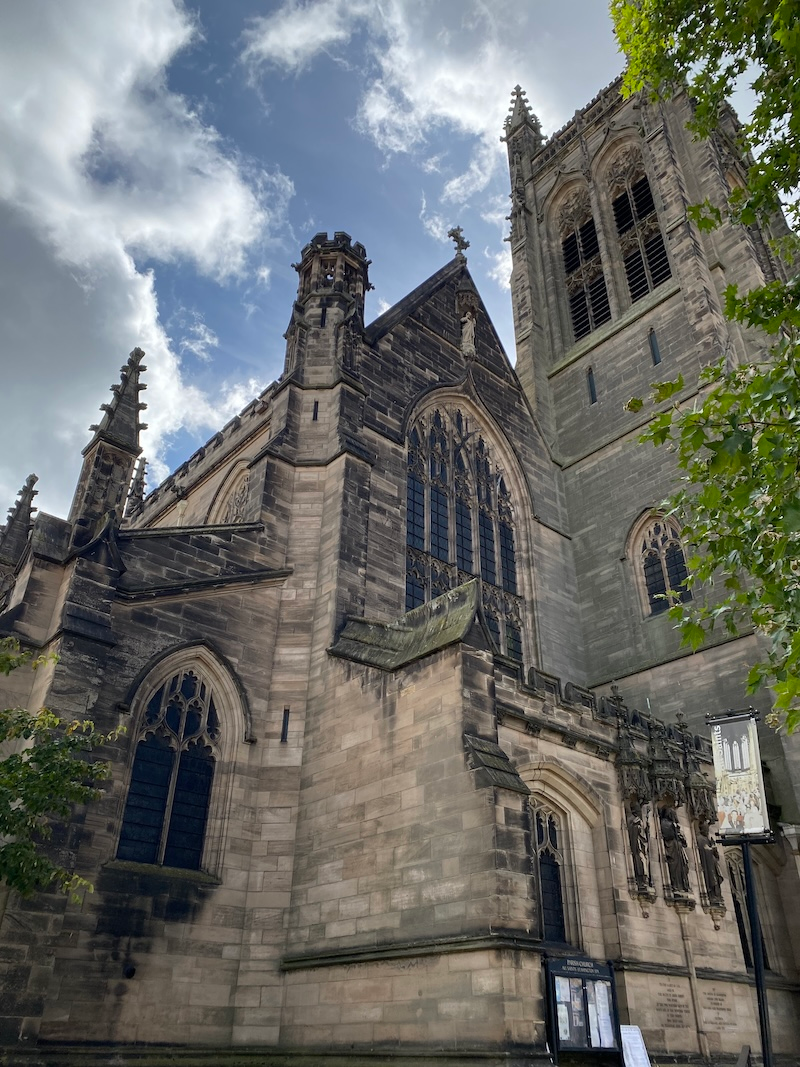
I am definitely more of a castle girl than a church goer, but having popped by my two local castles (Warwick and Kenilworth), I thought it was time to check out a church before I headed back to London. When the church is (a) big, and/or (b) old, I’m totally willing to go inside for a nosey.
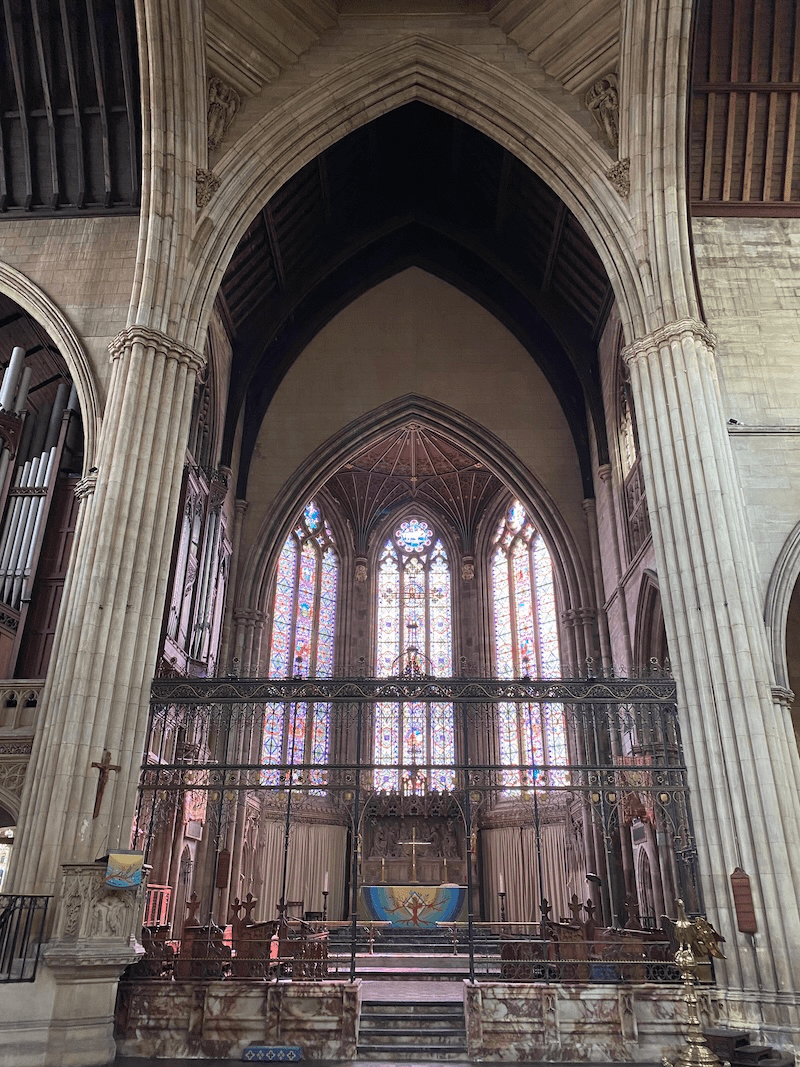
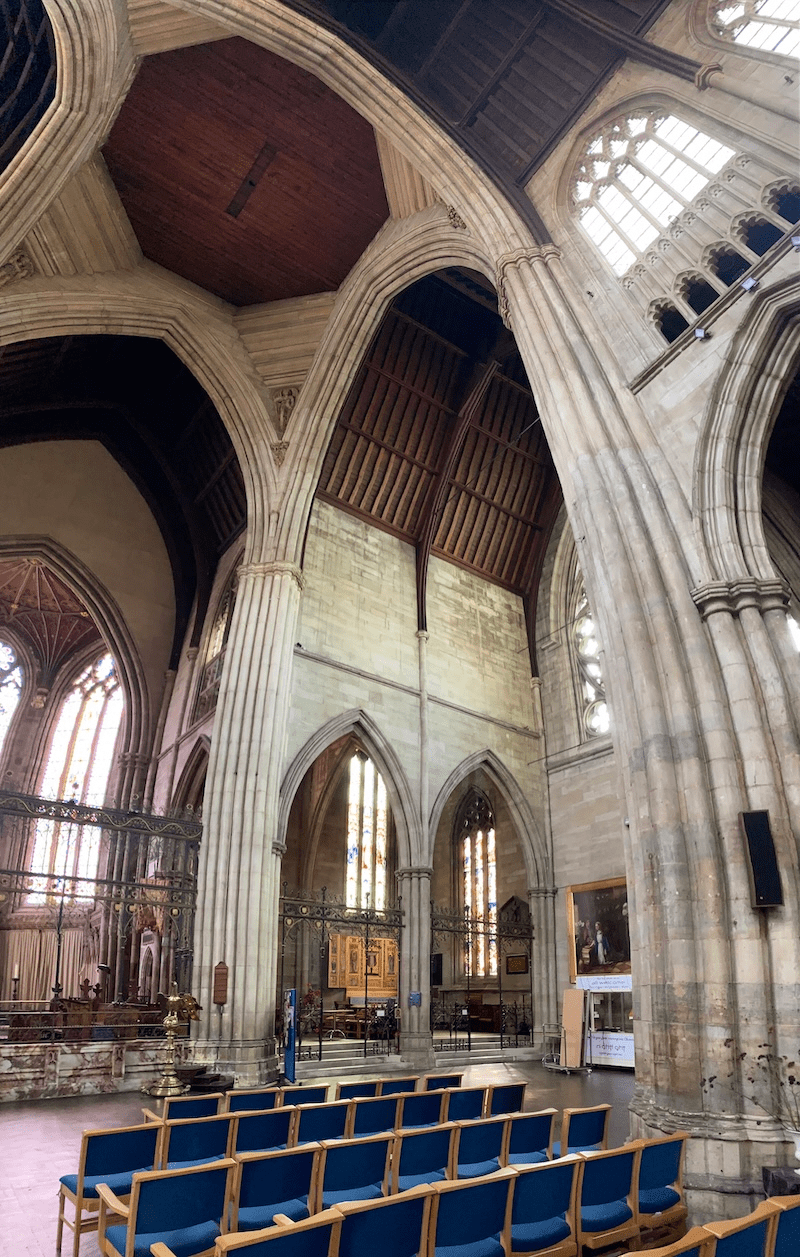
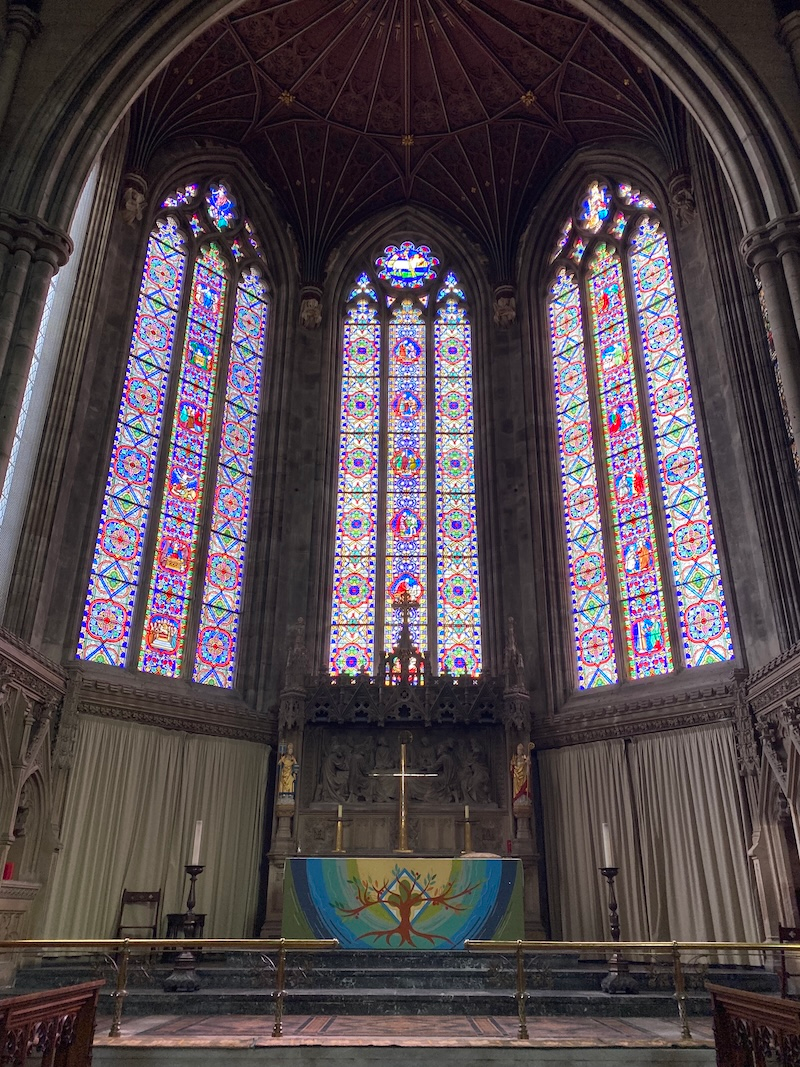
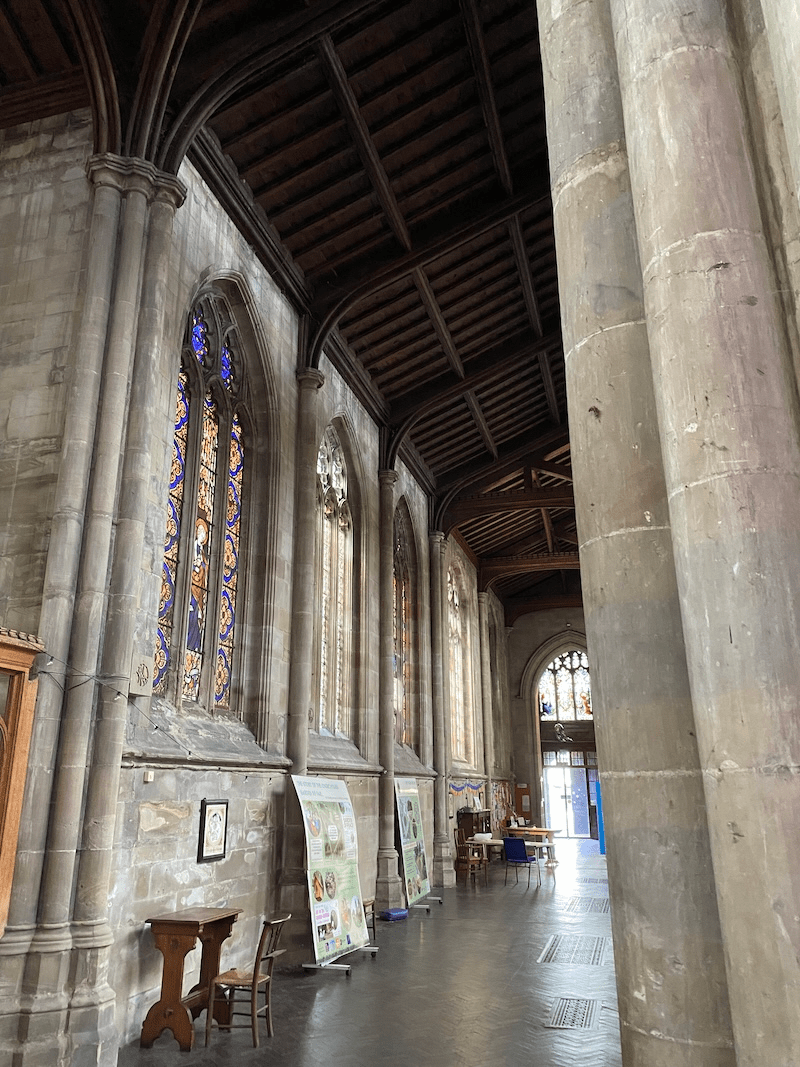
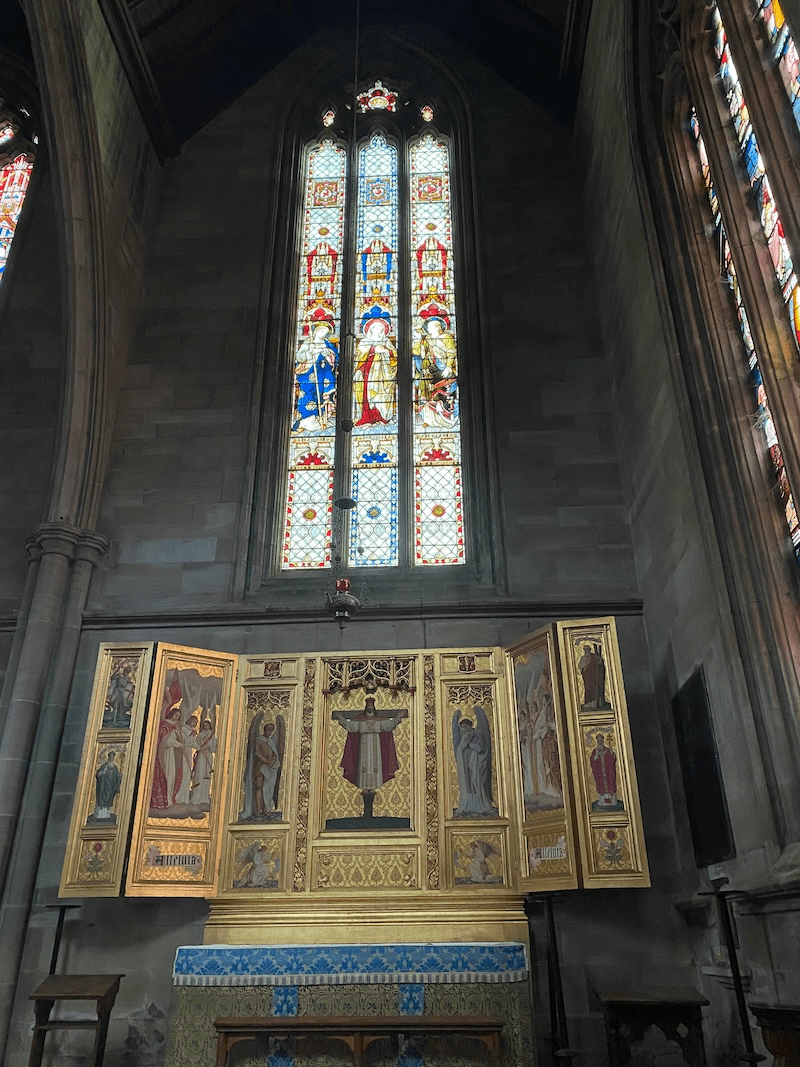
All Saint’s Church in Leamington is both of those things – much more cathedral than local parish church. It’s kinda strange – a local church (Church of England) that still has a parish community, choir, priest etc – but it also has a cafe inside it, and (when I visited) and art exhibition occurring in the middle. I guess with that much space, you might as well use it. Spare chairs and tables were stacked in various corners – a very mundane use for a grand old building. There’s a huge pipe organ and spectacular architecture, massive stained glass windows and a crypt (not accessible). No doubt it could host a large congregation, but currently it’s a fancy multi-purpose use building instead – that also does mass.
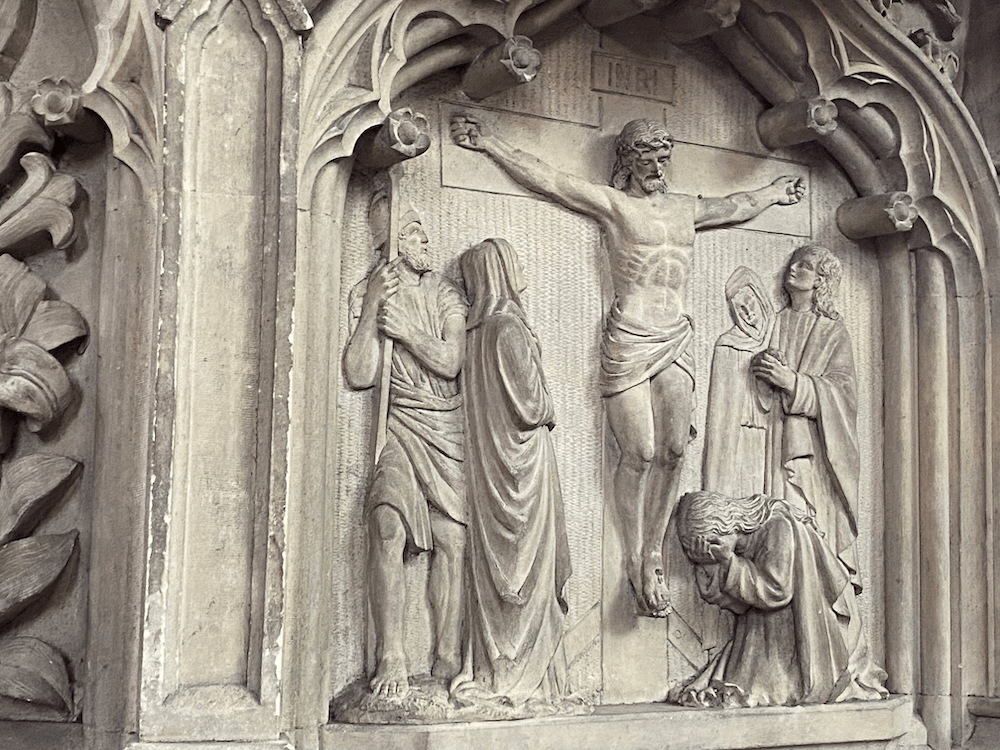
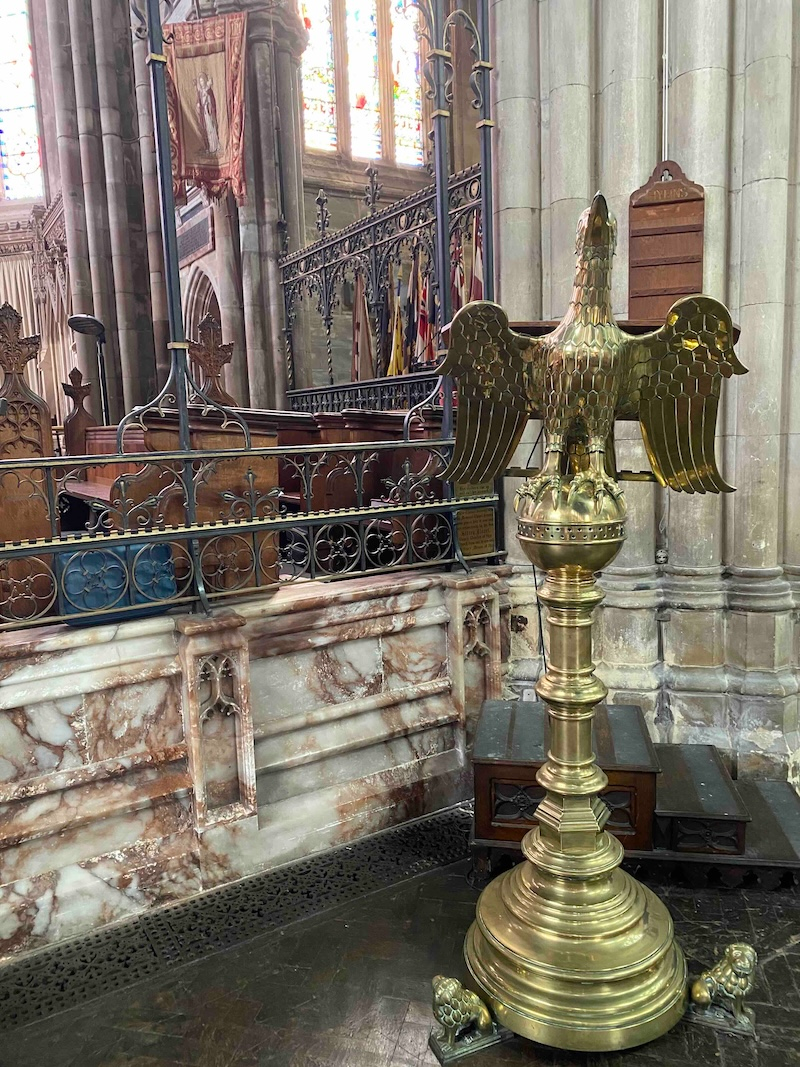
Imagine speaking from this raised, stone pulpit – complete with stairs and stone carving – or alternatively you could choose the smaller steps and use the eagle(?) pulpit on the other side. No explanation was given as to the bird thing option….

The history bit: The Doomsday Book (1086) noted a priest in Lamintone (so there must have been a church to go with him). In the early 1800s, when Leamington Priors had about 300 residents, the church was a short, stocky stone church that could seat about 130 people. This became a problem when the spa town went off and the population grew. Ad-hoc additions were done between the 1810s to 1840s, adding seating, a tower, new naves, chapels and impressive new ceilings etc. Work continued on and off for decades, but they committed to a proper “plan” in the 1860s. They rented the pews to help fund the extensions (church wasn’t free until 1909 when they finally finished the build!).